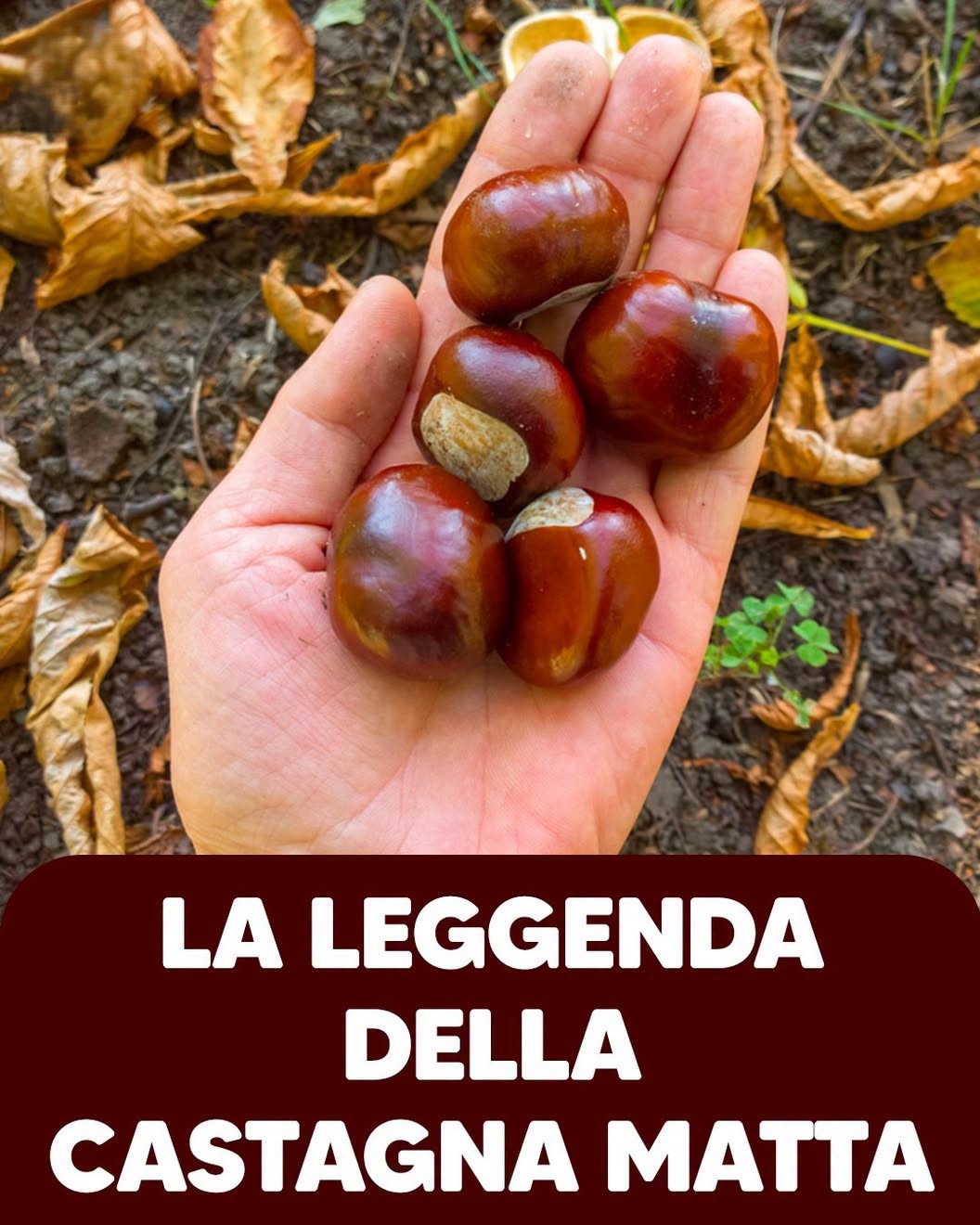
Shiny, smooth, and brown, the so-called wild chestnut is easily found along tree-lined avenues, in parks, and on city sidewalks, and it can be misleading for those unfamiliar with it: it looks identical to the “classic” chestnuts we eat and that colonize autumn recipes , but in reality it is the fruit (or more correctly, the seed) of a different tree, the horse chestnut , and is inedible . That’s right: it’s inedible because it’s toxic . In rural society, however, it has found a way to be appreciated and valued. How? By becoming
The legend of the crazy chestnut that (doesn’t) protect against colds